
Microsoldering bench
The microscope work: charging circuits, audio chips, boards showing no sign of life. It is the quietest bench in the shop and the one that solves the cases other workshops turned away.

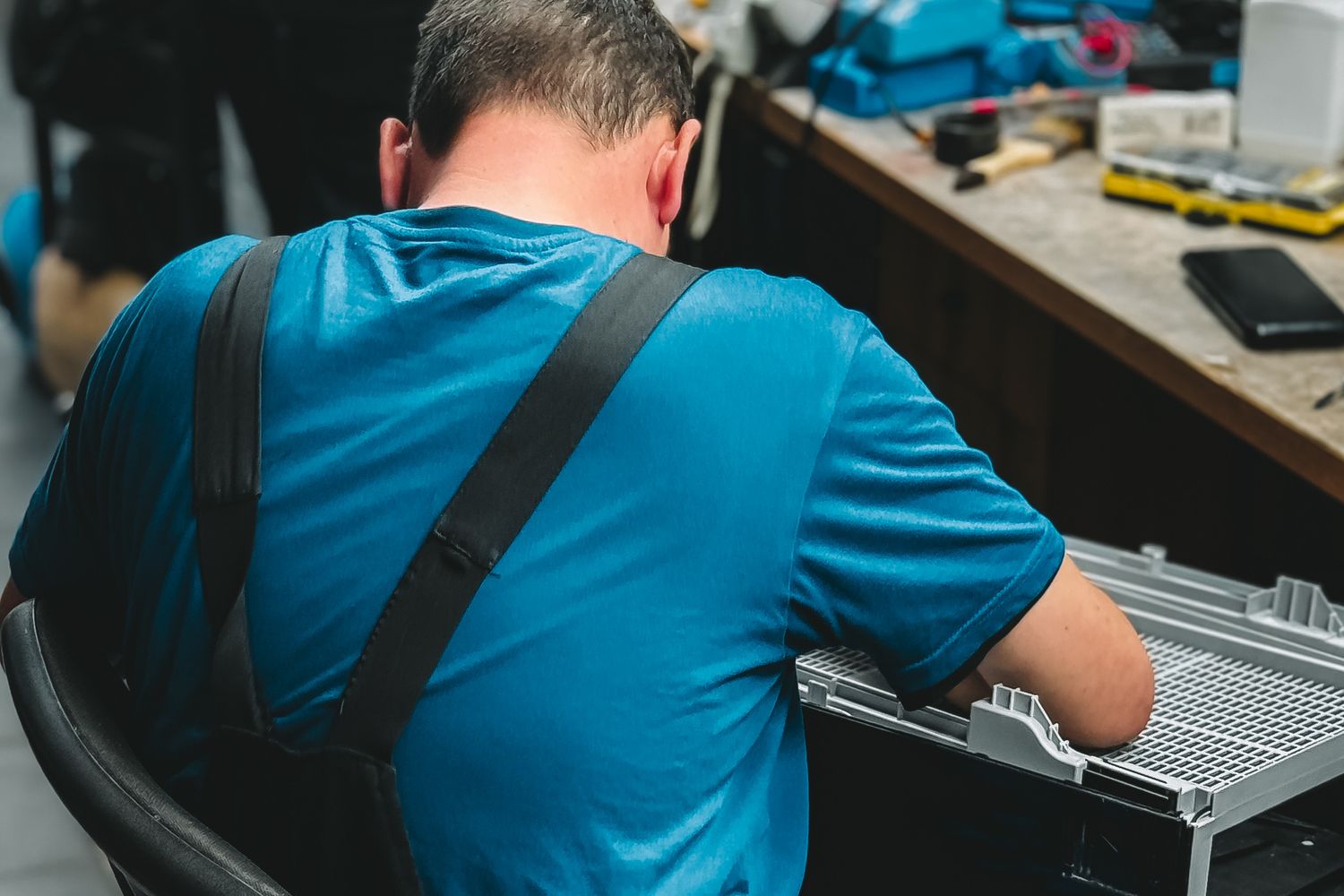
Mobile Telecom Porto is not a chain with franchises in three cities. It is a street-level shop on Rua da Alegria, where the people who serve you at the counter are the people who repair your phone.
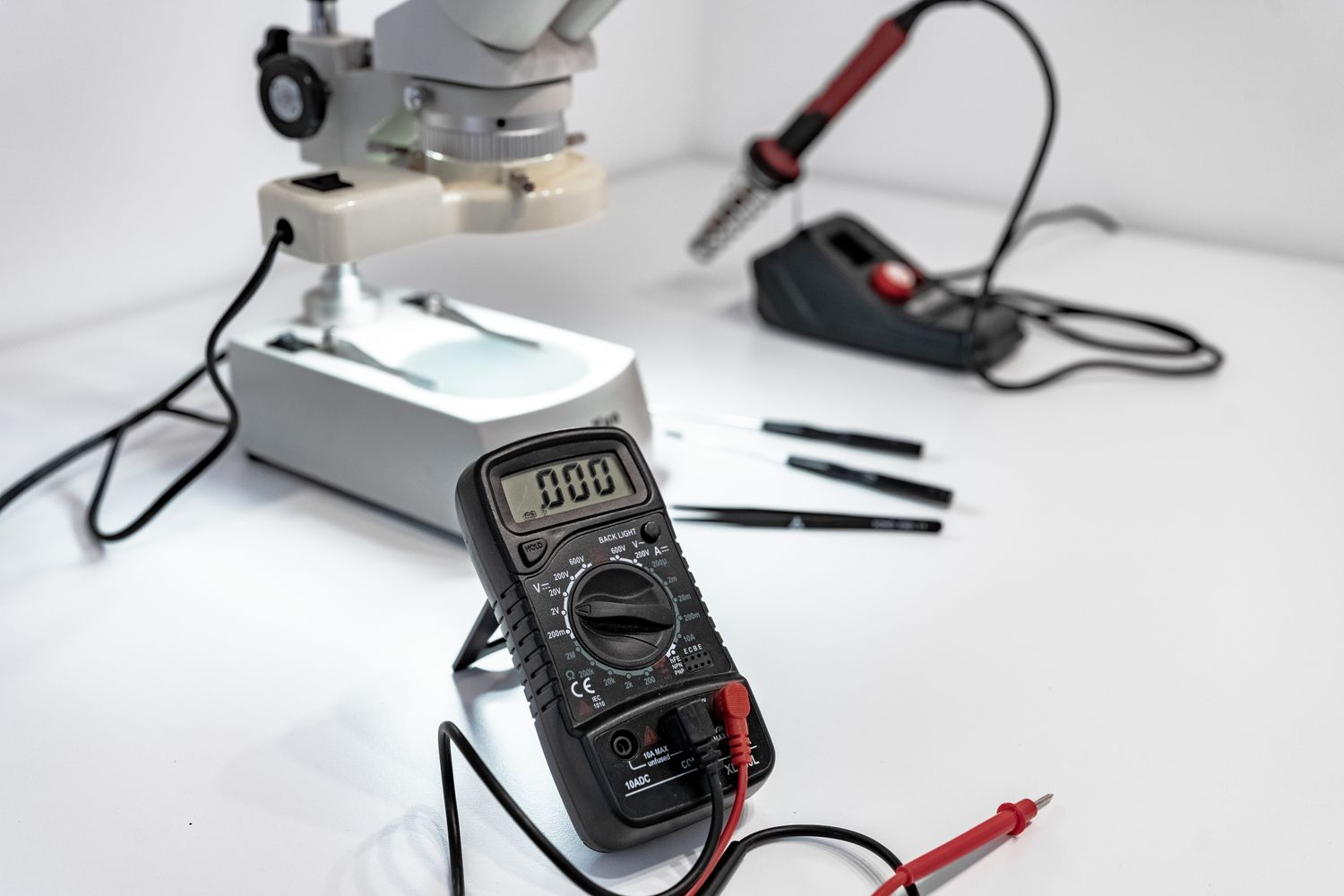
The shop opened the way nearly every honest workshop opens: small, with a soldering iron, a multimeter and considerably more determination than equipment. The first customers came from the building itself and from the street. After that it was the usual word of mouth — somebody gets their phone fixed, tells a neighbour, and the neighbour turns up with theirs. The bench now has a microscope, a hot air station and an ultrasonic bath, but the way we deal with people has not shifted an inch: look at the device with the owner standing right there.
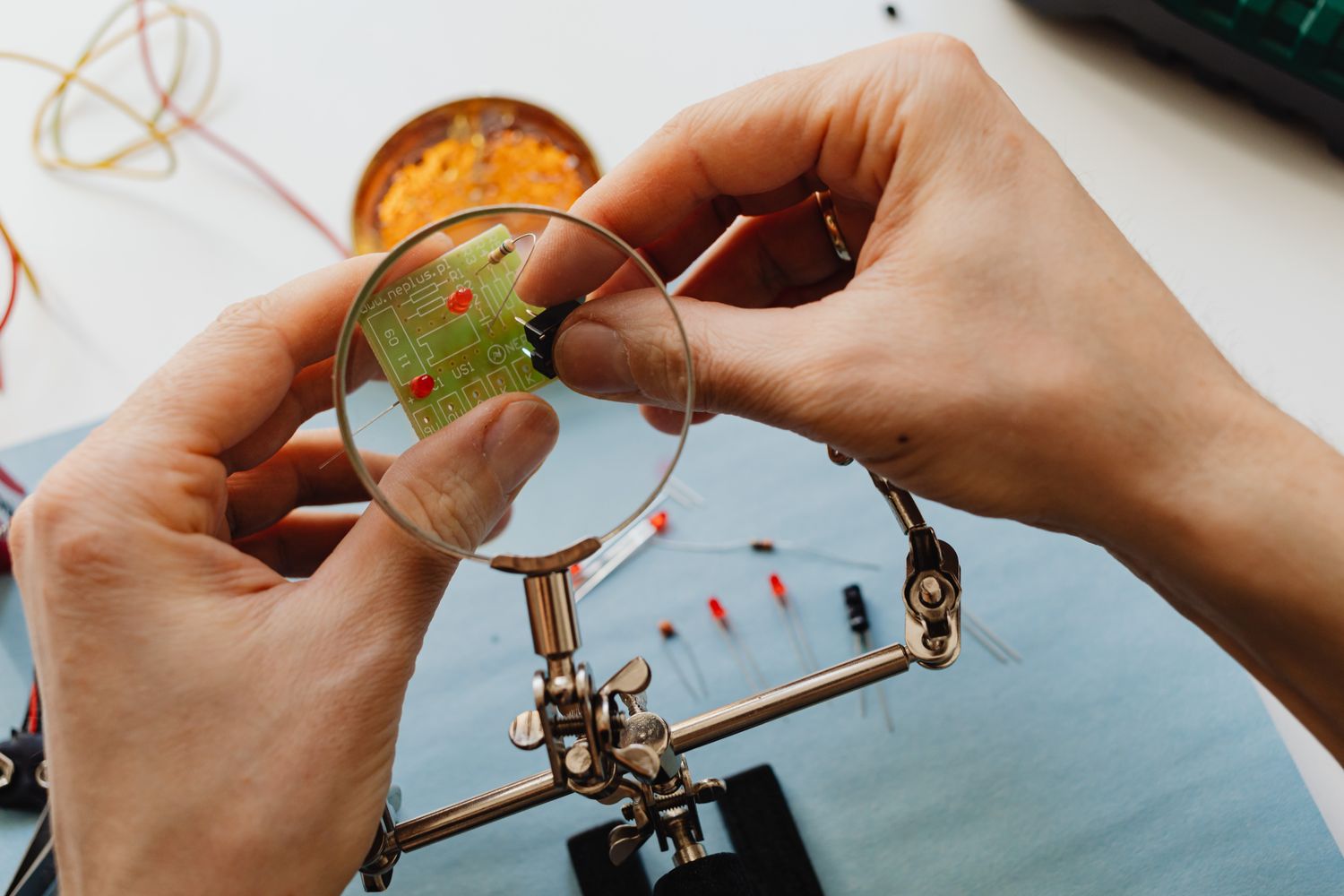
There is a real difference in mindset between a shop that lives by repairing things and one that lives by persuading you to buy a new handset. We make our living fixing things. So it is squarely in our interest that the repair lasts, that the part is good, and that you come back in two years for something entirely different — rather than next week with the same badly solved fault.
Easy to write down and difficult to honour on a busy Saturday. We honour them anyway.
If we can't explain the fault in two simple sentences, we haven't understood it well enough yet.
The figure agreed at the start is the figure on the invoice at the end. No convenient extras.
What is on your phone is none of our business and never leaves this shop.
Every device brought back to life is electronic waste that was never created.
open every day
days a week, no exceptions
average express repair
months maximum warranty
A small team, which means you always speak to whoever actually handled your device.
The microscope work: charging circuits, audio chips, boards showing no sign of life. It is the quietest bench in the shop and the one that solves the cases other workshops turned away.
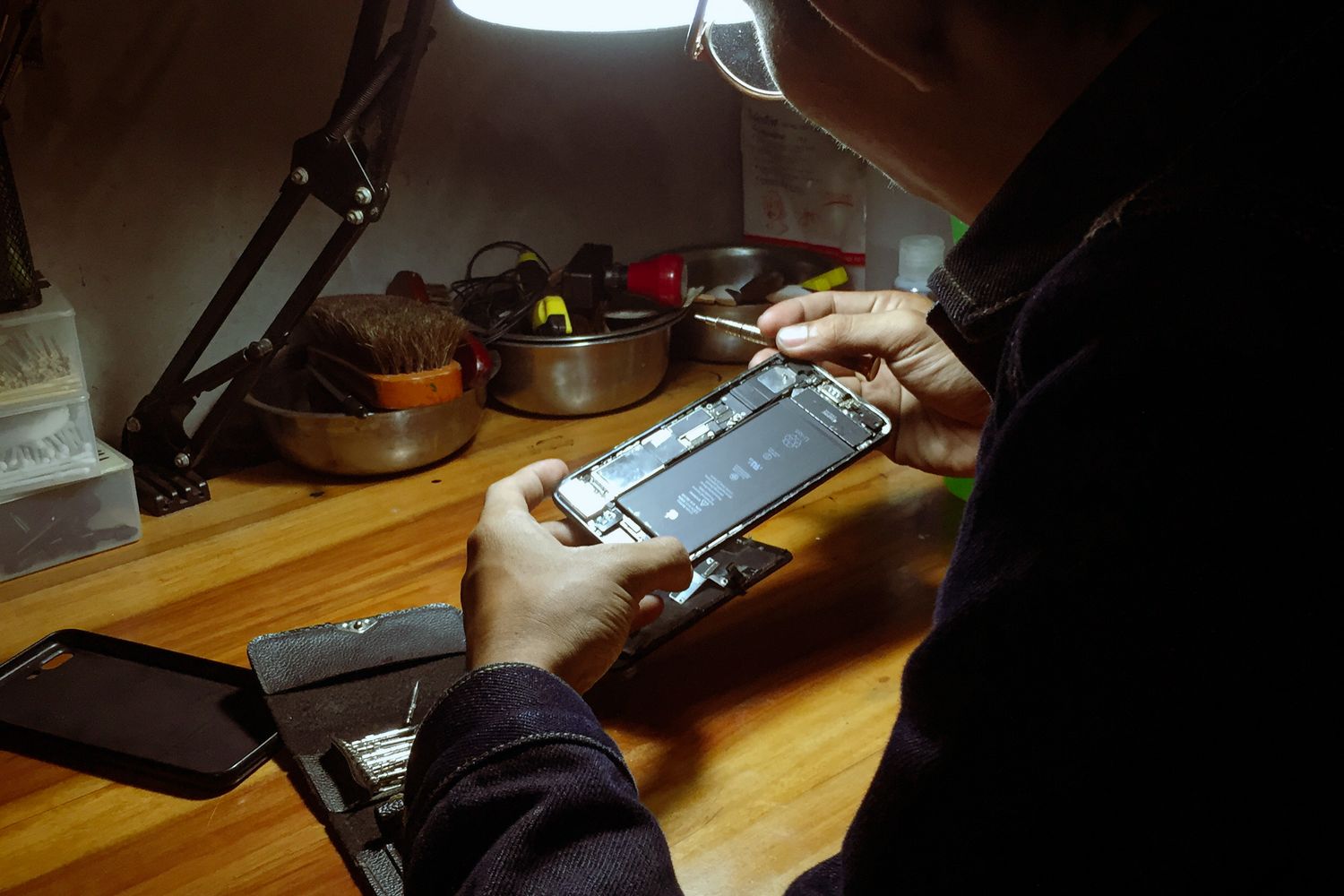
Screens, batteries, cameras and charging ports. This is where the thirty-minute jobs happen while you sit and wait, and who will show you the phone open if you are curious.
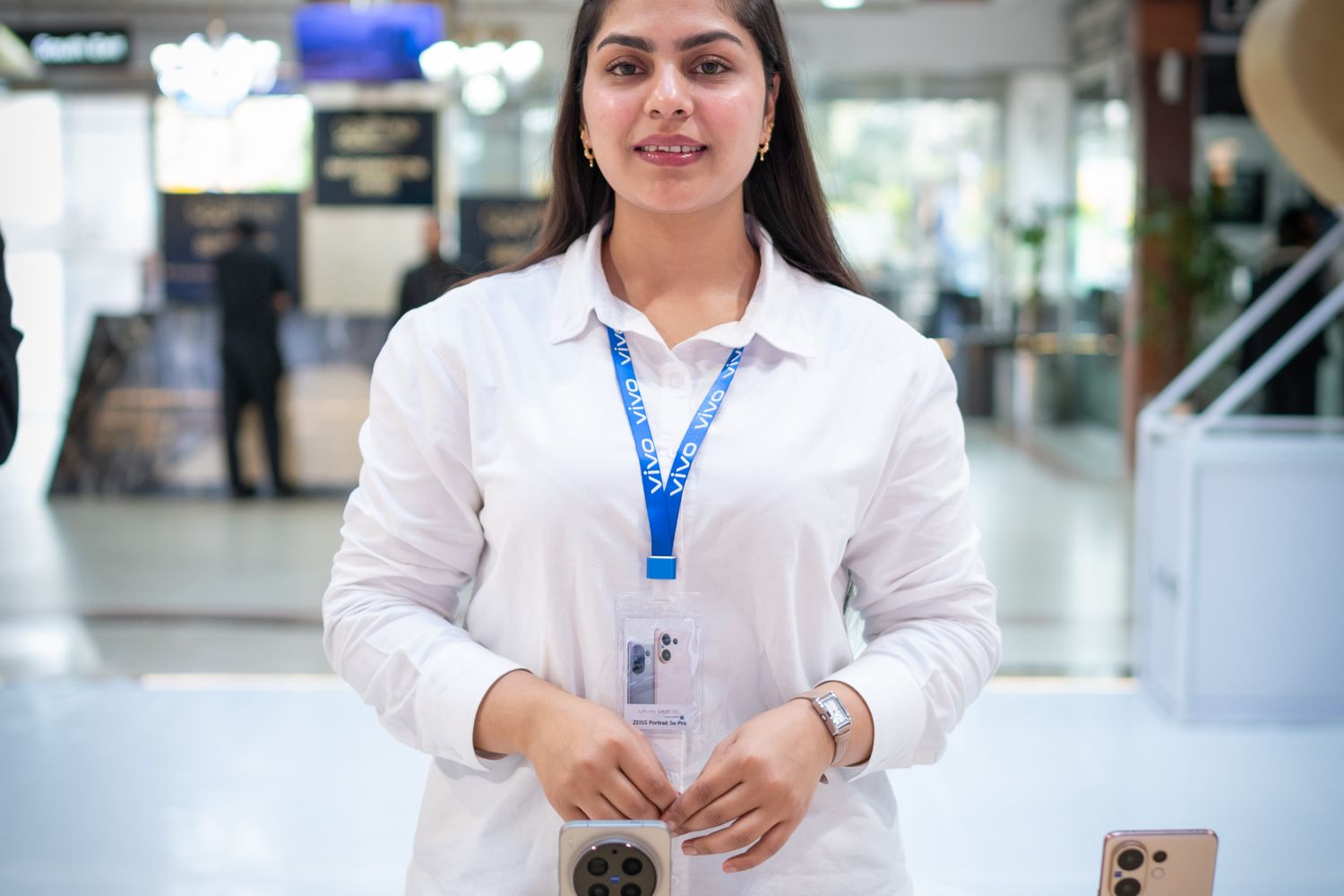
The first person you meet, who listens to the description and runs the initial diagnosis. Serves in Portuguese, English and Spanish, and explains the quote before any work begins.

The street climbs from Santo Ildefonso up towards Bonfim and has a mix that is increasingly rare in today's Porto: lifelong residents, students, small offices and, more and more, short-term rentals. That brings us two very different customers on the same afternoon — the lady from the building next door who needs a battery changed, and the Dutch couple who dropped their phone photographing azulejos. Serving both well means being able to explain things two different ways.

Porto runs on photographs. Of the Ribeira, of the Luís I bridge, of the view from Serra do Pilar as the light goes. And wherever phones spend hours out of pockets, phones land on cobblestones, get caught in sudden rain and run flat halfway through the day. A good share of our work comes from exactly that — which is why we stay open until half past eleven at night, once the visitor has finished dinner and finally remembered the cracked screen.
The normal doubts of anyone about to leave a seven-hundred-euro device with strangers.
In practice, almost always yes. We are a small team and whoever diagnoses your phone at the counter is the one who carries it to the bench. On complex repairs needing a microscope it passes to the colleague who specialises in that work — and if you want to talk to them directly, we'll fetch them.
Never. Everything that comes through the door on Rua da Alegria is repaired in this shop, including microsoldering and liquid damage recovery. It is one reason our turnaround is short: no transport, no middleman and no central workshop deciding whose job matters most.
We do, with tax number and everything required for deduction. We work regularly with offices and small businesses nearby who need team phones and tablets kept running. If you have several devices, talk to us about terms.
Because most people only discover they have a phone problem once they get home, and because shops closing at seven exclude shift workers, restaurant staff and anyone here on holiday. The hours between eight and eleven at night are among the busiest of our day — which rather proves the point.
If you're curious about what is actually going on inside your phone, we're happy to show you.